
The Body Rhythm Approach
Create change.
Recognize it.
Establish it.
Maintain it.
The goal is not simply to feel or move better during a session. It is to develop the awareness and practical ability to make that change your own.
A guiding principle
Minimum effort. Maximum results.
Years ago, I described the foundation of my work with these words. They still guide me today—not as a promise of instant results, but as a way of thinking about efficiency. What can help this individual move with greater ease and support, without adding unnecessary effort?
I look at the body as one interconnected system. A restriction or compensation in one area may influence movement elsewhere. The location of discomfort does not always tell the whole story. Individual anatomy, previous injuries, scars, breathing, movement habits, and the way a person responds to new information all deserve consideration.
The question is not only What needs to change? It is also How can this person recognize that change and carry it into daily life?
From a session to everyday life
Four connected parts of meaningful change
These are not four rigid exercises or a sequence that everyone must follow in the same way. They describe the learning process we work toward together.
Create change
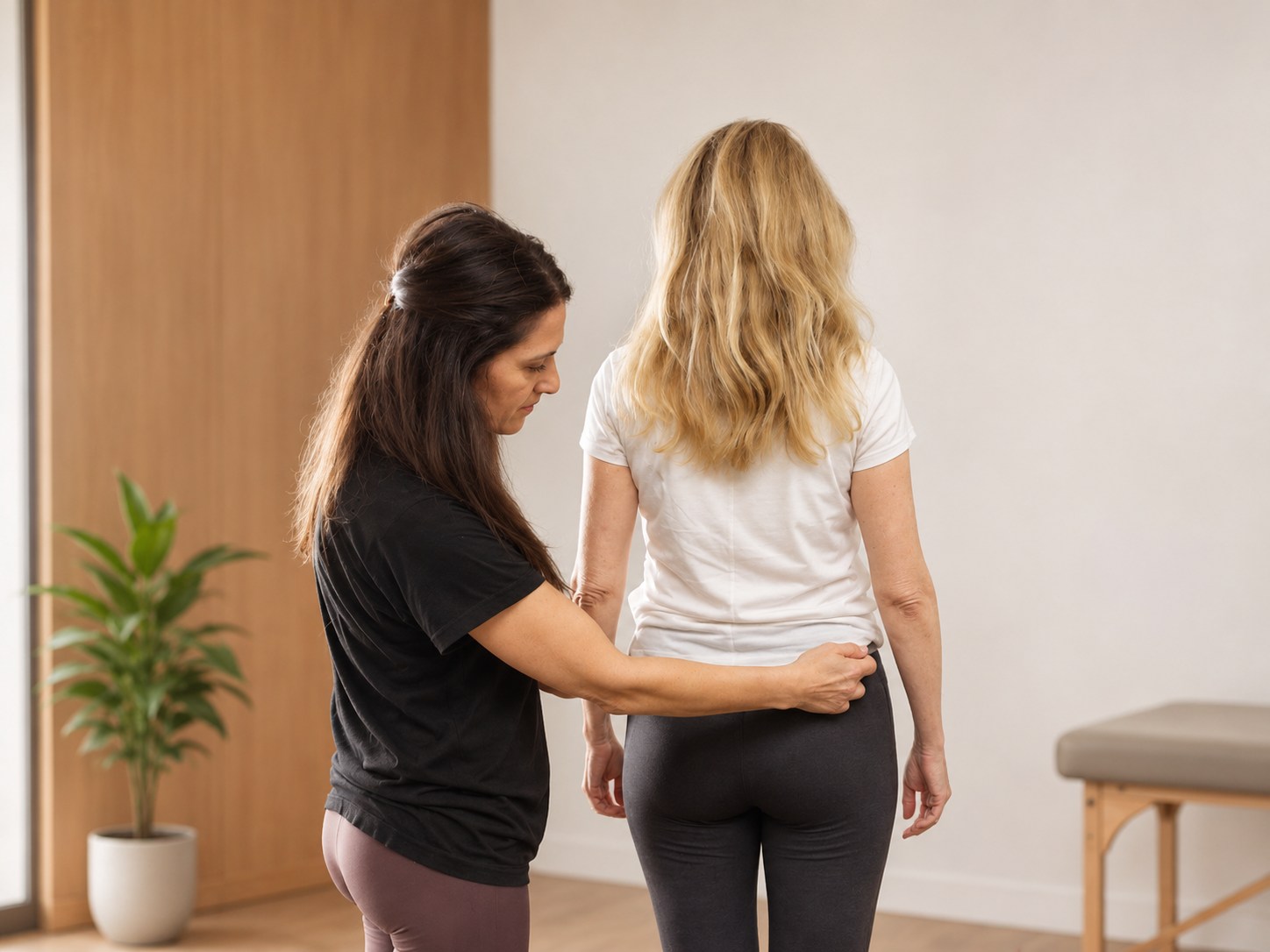
We begin by observing how the whole person moves and responds. Hands-on work, movement, release techniques, and practical tools may help create more comfortable options for movement.
Recognize it
The person learns to notice what feels or functions differently—whether in standing, walking, reaching, breathing, or another meaningful activity. This awareness is part of the work, not an afterthought.
Establish it
We explore ways to make the improvement usable and reliable: organizing movement, finding appropriate support, and returning to activities with a new understanding of what helps.
Maintain it
The person learns simple, practical ways to check in and respond when needed. The aim is growing independence—not a lifetime of obligatory exercises or dependence on repeated sessions.
The foundations remain
Awareness. Release. Alignment. Strengthening.
These four principles formed the framework of my earlier Minimum Effort to Maximum Results teaching. Today I use them within a broader process focused on lasting, self-established change.
Awareness means seeing and sensing what is happening, including changes that can be easy to miss. Release recognizes that where something hurts may not be where its contributing restrictions begin. Alignment is an active process of organizing the whole body, rather than forcing it into a fixed position. And strengthening includes the ability to support and claim what has been achieved—not merely to work harder.
There is no single technique that defines Body Rhythm. Different people may benefit from different combinations of movement education, hands-on guidance, fascia or scar-related work, breathing awareness, and specialized or everyday tools.
Beyond the treatment room
What independence means here
Independence does not mean doing everything alone from the beginning. It develops as the person gains familiarity with their own responses and learns when and how to support themselves.
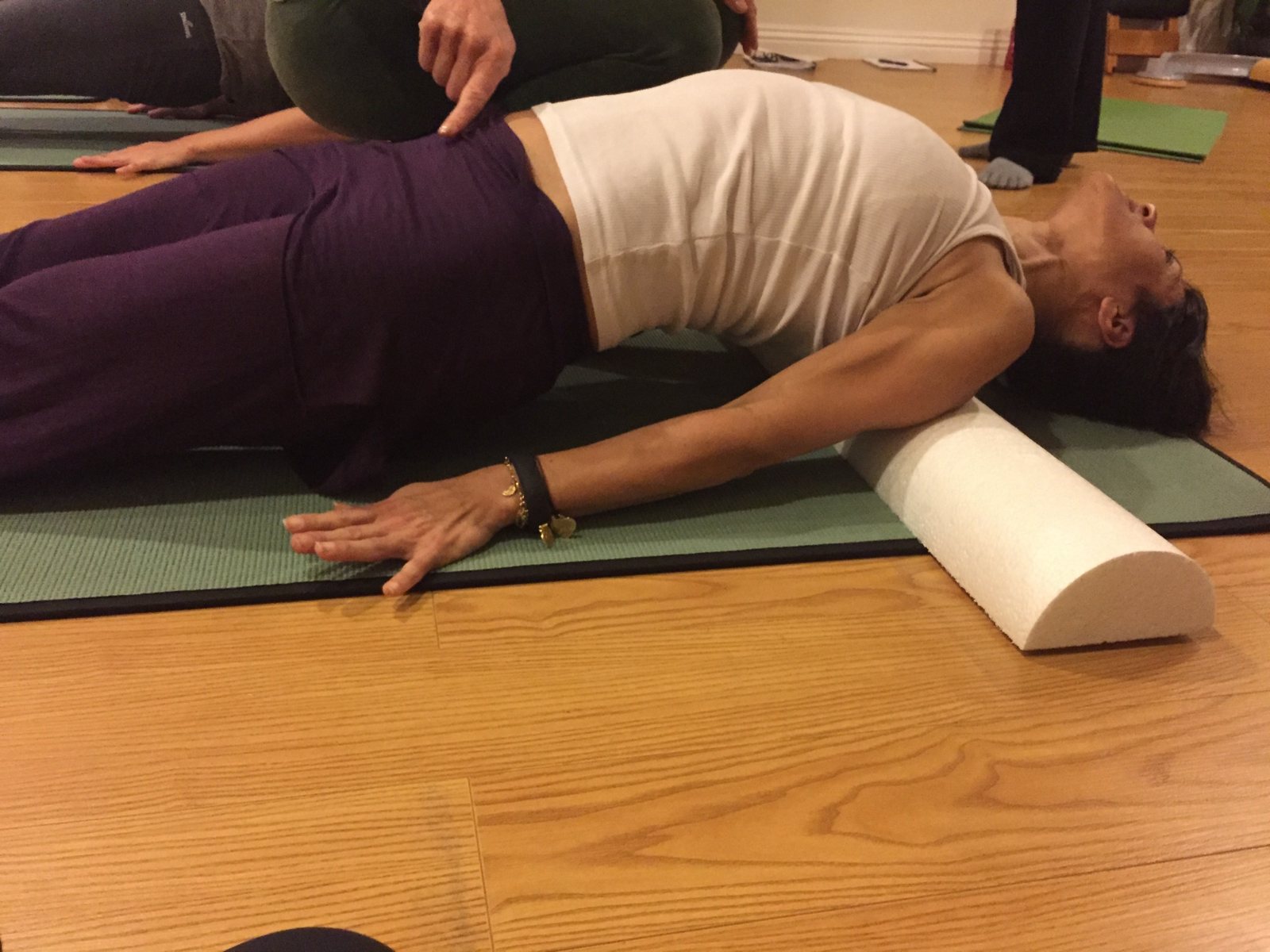
Sometimes that may involve a short home practice. Other times, it may be recognizing the beginning of an old movement pattern and knowing how to adjust. The tools should become simpler and less intrusive as understanding grows, rather than occupying more of a person's day.
“Recognizing change is part of maintaining change.”
My aim is to help people participate in their progress and develop an approach they can continue to use in their own lives.
Work together
A personal approach, not a preset routine
Each person brings a different history, body, and set of goals. The work begins by listening, observing, and finding a practical starting point together.