
The person behind Body Rhythm
Elisheva
Shevi Baruch
Movement educator, master trainer, and founder of Body Rhythm.
My work began with a personal search for a more meaningful way to move. Over more than two decades of working with people, that search has become an integrated approach grounded in observation, movement education, and the belief that meaningful change should increasingly belong to the person experiencing it.
Explore the Body Rhythm Approach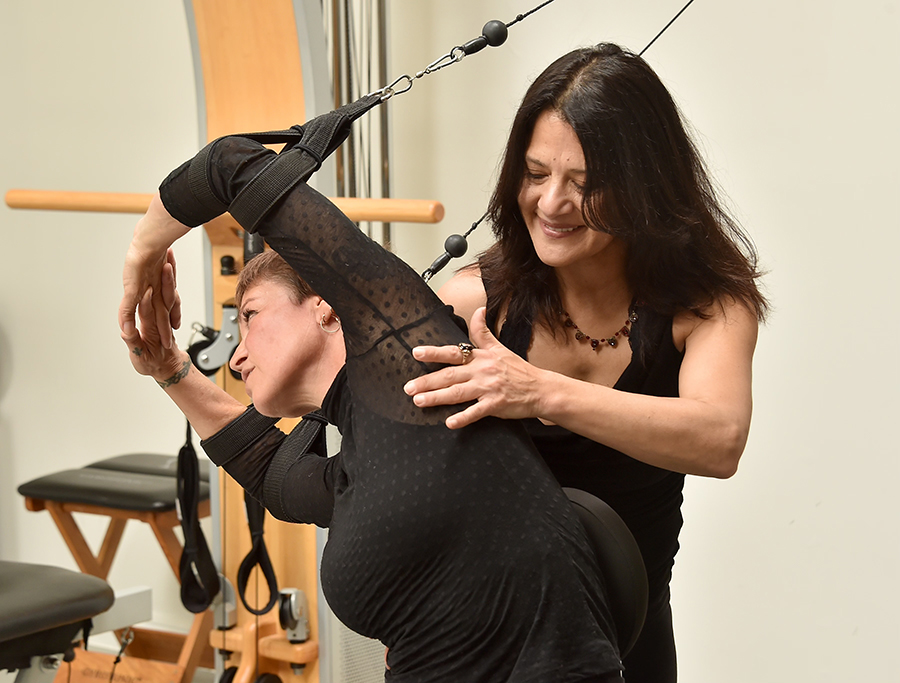
How it began
A personal experience that changed my direction
In my early twenties, an injury and fractured clavicle changed the way I used my left arm and shoulder. Pain and movement limitations did not stay neatly confined to the original injury. Over time, I became increasingly interested in how different parts of the body influence one another—and why working only where something hurts may not be enough.
My own exploration took me through academic study and a range of movement practices. I was drawn to approaches that helped me experience change, understand it, and eventually take a more active role in sustaining it. That experience continues to shape the questions I ask when working with others.
“The goal is not simply to create a change for someone. It is to help them recognize it, establish it, and learn how to maintain it.”
Experience and education
Academic inquiry meets practical movement
My education in speech therapy and audiology at Tel Aviv University, followed by graduate studies in a multidimensional approach to brain science at Bar-Ilan University, gave me an enduring interest in perception, communication, learning, and the nervous system.
I also worked in research coordination and assistance in the Linguistics Department at Tel Aviv University. Those experiences strengthened my habit of observing carefully, questioning assumptions, and making room for the complexity of each individual.
Alongside academic study, I pursued extensive professional training in movement education, biomechanics, Pilates, and the GYROTONIC® and GYROKINESIS® methods. I am a master trainer and have taught courses and workshops for movement professionals in the United States and internationally.
Areas that inform my work
Movement education and functional organization
Biomechanics and motor learning
Fascia, scars, and tissue mobility
Nervous-system-informed movement
Individualized instruction and self-application
Training and techniques continue to inform the work; no single modality defines the Body Rhythm approach.
Body Rhythm · Founded 2010
Building an approach, not a collection of techniques
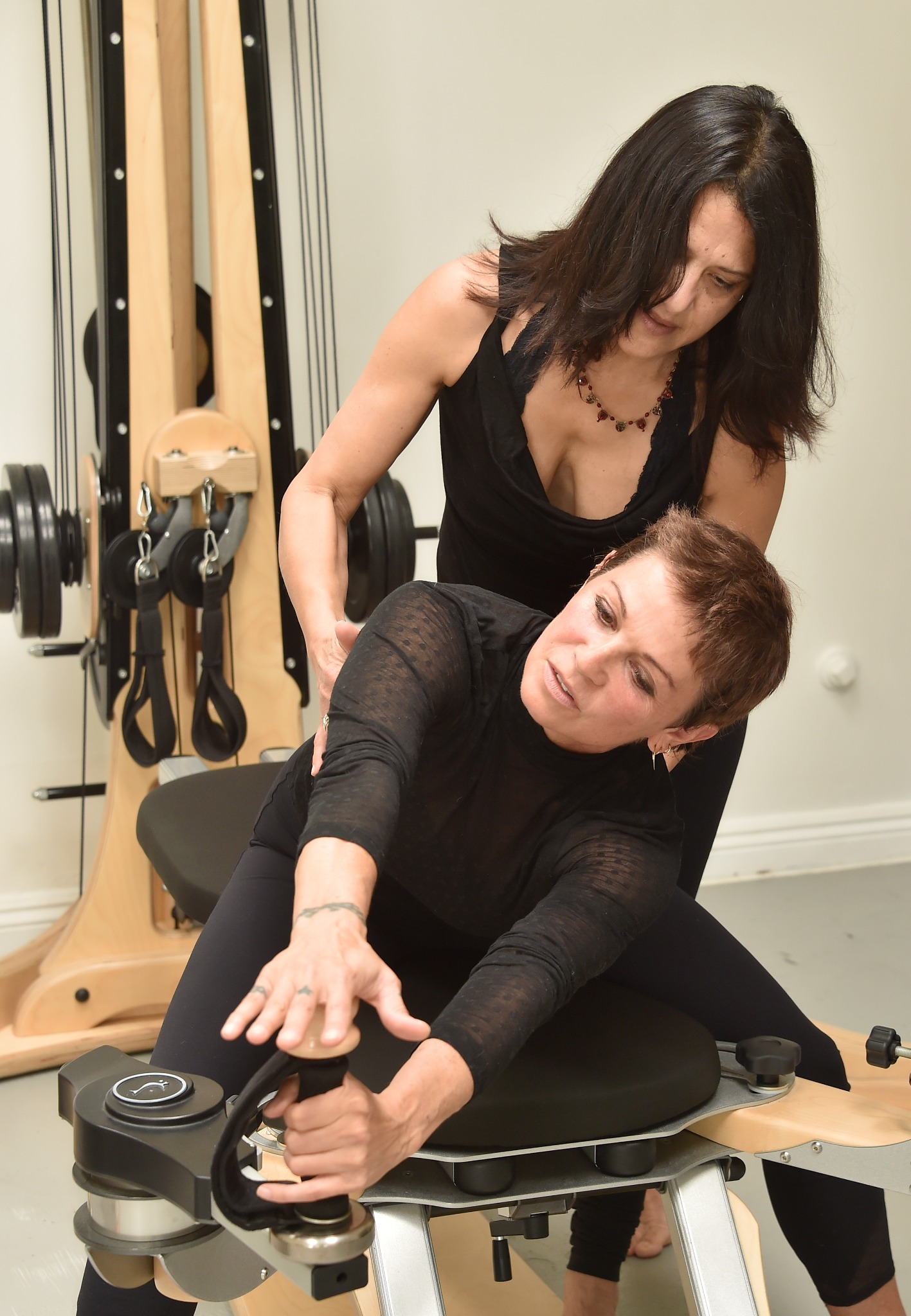
I founded Body Rhythm to create a space for thoughtful, individualized movement work. Over the years, my practice has brought together equipment-based and floor-based movement, hands-on techniques, scar and fascial work, and simple tools people can use themselves.
My work has also expanded to include fascia and scar-related techniques and Dolphin Neurostim Microcurrent Point Stimulation (MPS). These are among the tools I integrate when appropriate, always guided by the individual’s needs and the larger goal of restoring function and building independence.
Different individuals need different starting points. I observe how someone moves, listen to how they describe their experience, and explore which changes are meaningful to them. Sometimes the smallest adjustment can offer useful information. The next question is how to make that change available beyond the session.
What matters to me is not dependence on a particular machine or practitioner. It is helping people develop confidence in their own ability to observe, respond, and participate in their continuing progress.
Teaching and collaboration
Sharing the thinking behind the work
Teaching other movement professionals has been a natural extension of my practice. I enjoy exploring the reasons behind a movement choice, the different ways a person might respond, and how complex ideas can become practical tools.
Today, I am interested in collaborating with practitioners, educators, and organizations that want to examine how movement education and self-application can support functional independence. My goal is to complement existing care and education, not replace it.
What guides me today
Create change. Recognize it.
Establish it. Maintain it.
An approach grounded in the whole person, built through participation, and directed toward greater independence.
Connect with Elisheva Read Insights & Articles